



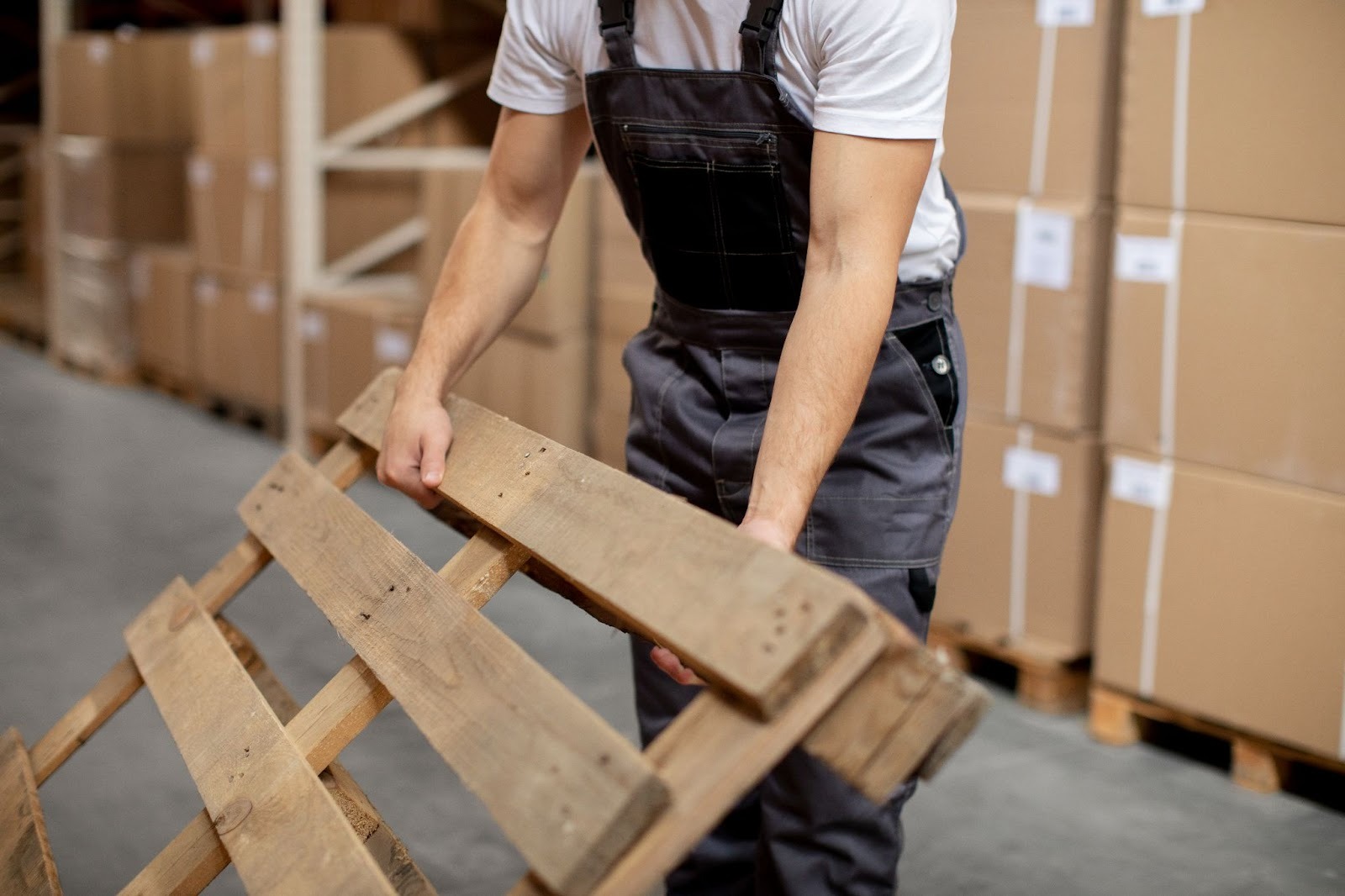

Wooden pallets remain one of the most widely used platforms for transporting and storing goods in industrial supply chains. While standard pallets work for many shipping applications, businesses with specialized logistics requirements often rely on custom-engineered pallets to protect products and maintain operational efficiency.
One of the most important decisions in pallet engineering is choosing the right material. The Best wood for custom pallets depends on several variables, including load weight, environmental exposure, product sensitivity, and transportation distance. Material selection directly affects pallet durability, pallet strength, and overall performance during shipping and storage.
For companies that manage complex freight operations, understanding how wood types influence pallet performance helps ensure reliable product handling. This article explains the role of material choice in custom wooden pallet engineering and highlights the key pallet design factors that support industrial pallet needs.
Why Material Selection Matters in Custom Pallet Design
Custom pallets are designed to meet specific shipping and storage requirements. Unlike standardized pallets, they are engineered to match product dimensions, weight distribution, and handling methods. In this process, material selection plays a critical role.
Wood properties determine how well a pallet performs under stress. Factors such as density, flexibility, resistance to moisture, and structural integrity influence the ability of a pallet to support heavy loads and repeated handling.
Selecting the best wood for custom pallets helps achieve several operational goals:
- Supporting heavy or irregular loads
- Maintaining pallet durability over multiple shipping cycles
- Preventing structural damage during handling
- Reducing product damage caused by unstable support
- Meeting specific industrial pallet needs
When wood selection aligns with pallet design requirements, businesses can improve both shipping safety and long-term efficiency.
Understanding the Best Wood for Custom Pallets
The term best wood for custom pallets does not refer to a single universal material. Instead, the appropriate choice depends on the type of products being transported and the conditions in which the pallet will be used.
Material selection typically considers the following factors:
Load Weight and Distribution
Heavy loads require wood species with higher density and strength. Pallets designed for industrial machinery or metal components must withstand significant compressive forces without cracking or bending.
In these cases, hardwoods often provide the pallet strength necessary for reliable performance.
Handling Frequency
Some pallets are used once for export shipments, while others circulate repeatedly within warehouse systems. Pallets that undergo frequent forklift handling require stronger wood with greater impact resistance.
Environmental Conditions
Exposure to moisture, humidity, and temperature fluctuations can affect wooden pallets. Certain wood types provide better resistance to environmental stress, improving Pallet durability over time.
Shipping Distance and Logistics
Long-distance shipping, particularly international transport, introduces additional risks. Pallets may experience vibration, stacking pressure, and extended storage periods. Choosing the appropriate wood type helps ensure structural stability throughout the journey.
Common Wood Types for Pallets
Several wood species are commonly used in pallet manufacturing. Each offers unique properties that influence pallet strength and longevity.
Hardwood Pallets
Hardwood is frequently selected for applications that require higher strength and durability. Oak, maple, and ash are examples of hardwood species used in pallet construction.
Advantages of hardwood pallets include:
- High load-bearing capacity
- Greater resistance to compression
- Increased durability for heavy freight
Because of their structural strength, hardwood pallets are often used for industrial pallet needs involving machinery, construction materials, or dense cargo.
Softwood Pallets
Softwood species such as pine and spruce are also widely used in pallet production. These woods are lighter and easier to process, which can make them suitable for certain shipping applications.
Benefits of softwood pallets include:
- Lower overall weight
- Cost-effective manufacturing
- Suitable strength for moderate loads
Softwood pallets are commonly used for lighter shipments or single-use export applications.
Heat-Treated Wood
For international shipping, many pallets must meet phytosanitary regulations. Heat-treated wood is processed to eliminate pests and comply with international shipping standards.
Heat treatment improves the suitability of pallets for export by ensuring regulatory compliance while maintaining structural integrity.
Pallet Durability and Long-Term Performance
Pallet durability is one of the most important considerations in custom pallet engineering. A durable pallet can withstand repeated handling, stacking, and transportation without structural failure.
Durability depends on several variables:
- Wood density and strength
- Nail holding capacity
- Resistance to splitting
- Environmental exposure
Hardwoods typically offer greater resistance to cracking under load, while certain softwoods provide flexibility that can absorb impact. The optimal choice depends on the shipping environment and operational requirements.
For companies that reuse pallets frequently, durability directly affects cost efficiency. Stronger pallets can remain in service longer, reducing replacement frequency.
How Material Selection Influences Pallet Strength
Pallet strength refers to the ability of a pallet to support weight without bending, collapsing, or deforming. Material selection is a central factor in achieving adequate strength.
Static Load Strength
Static load strength refers to the maximum weight a pallet can support while stationary. Pallets used in stacked warehouse environments must maintain structural stability under heavy loads.
Dynamic Load Strength
Dynamic load strength measures the ability of a pallet to support weight during movement, such as forklift transport. This type of stress places additional pressure on pallet components.
Impact Resistance
Handling equipment can subject pallets to sudden impacts. Wood species with higher density typically provide better resistance to cracking or breakage during repeated use.
Understanding these strength characteristics helps engineers design pallets that meet specific industrial pallet needs.
Pallet Design Factors That Influence Material Choice
Material selection is closely tied to pallet design. Engineers consider several pallet design factors when determining the appropriate wood type.
Product Dimensions
Large or irregularly shaped products require stable support structures. Pallet dimensions and board thickness may be adjusted to distribute weight evenly.
Load Distribution
Uneven weight distribution can create pressure points that lead to pallet failure. Stronger wood materials help maintain stability when loads are concentrated in specific areas.
Handling Equipment
Different warehouses use different handling systems. Pallets must be compatible with forklifts, pallet jacks, and automated storage systems.
Storage Environment
Warehouses with high humidity or outdoor exposure require pallets that resist moisture-related damage.
By considering these factors, engineers can align material selection with the operational demands of the supply chain.
Meeting Industrial Pallet Needs Through Custom Engineering
Industrial shipping environments often involve complex logistics. Custom pallet engineering helps address these challenges by tailoring both structure and materials to the specific cargo.
Businesses may require custom wooden pallets when:
- Shipping heavy industrial equipment
- Transporting fragile or high-value components
- Handling irregularly shaped products
- Meeting export regulations
- Optimizing warehouse storage systems
Material selection is a key part of this engineering process. Choosing the best wood for custom pallets ensures that the final design meets performance expectations while maintaining safety and reliability.
The Role of Technical Expertise in Custom Pallet Design
Developing a custom pallet requires more than selecting a wood species. Engineers must evaluate product requirements, shipping conditions, and structural constraints before finalizing a design.
Companies that specialize in custom pallets apply technical knowledge to determine:
- Appropriate wood types for pallets
- Structural reinforcement strategies
- Board thickness and support spacing
- Compliance with international shipping standards
Organizations such as PalletUp apply this technical approach when designing custom wooden pallets for businesses with specialized shipping requirements. Through careful material selection and engineering evaluation, pallets can be developed to support complex logistics environments.
Conclusion
Material selection plays a central role in the engineering of custom wooden pallets. The best wood for custom pallets depends on the weight, size, and handling conditions associated with a shipment. Different wood types for pallets offer varying levels of pallet strength and pallet durability, making careful material selection essential.
By considering pallet design factors such as load distribution, environmental exposure, and transportation requirements, businesses can develop pallet solutions that support their industrial pallet needs. Custom engineering ensures that pallets provide the structural stability required for safe and efficient shipping.
Companies with specialized logistics requirements often rely on experienced pallet manufacturers to guide these decisions. Providers such as PalletUp apply technical design knowledge to create wooden pallets tailored to specific shipping conditions.
Frequently Asked Questions
What is the best wood for custom pallets?
The best wood for custom pallets depends on the load requirements and shipping conditions. Hardwood species such as oak or maple are commonly used for heavy loads, while softwoods like pine may be suitable for lighter shipments.
Why is material selection important in pallet design?
Material selection determines pallet strength, durability, and resistance to environmental conditions. Choosing the right wood helps prevent structural damage during shipping and storage.
What are the most common wood types for pallets?
Common wood types for pallets include hardwoods such as oak and maple, as well as softwoods such as pine and spruce. Heat-treated wood is often used for international shipments that require regulatory compliance.
How does wood type affect pallet durability?
Different wood species vary in density and strength. Hardwoods generally provide higher durability and resistance to cracking, while softwoods offer lighter weight and cost efficiency.
When should businesses consider custom wooden pallets?
Businesses should consider custom pallets when shipping heavy equipment, irregularly shaped products, fragile items, or goods that require specialized handling and storage conditions.