



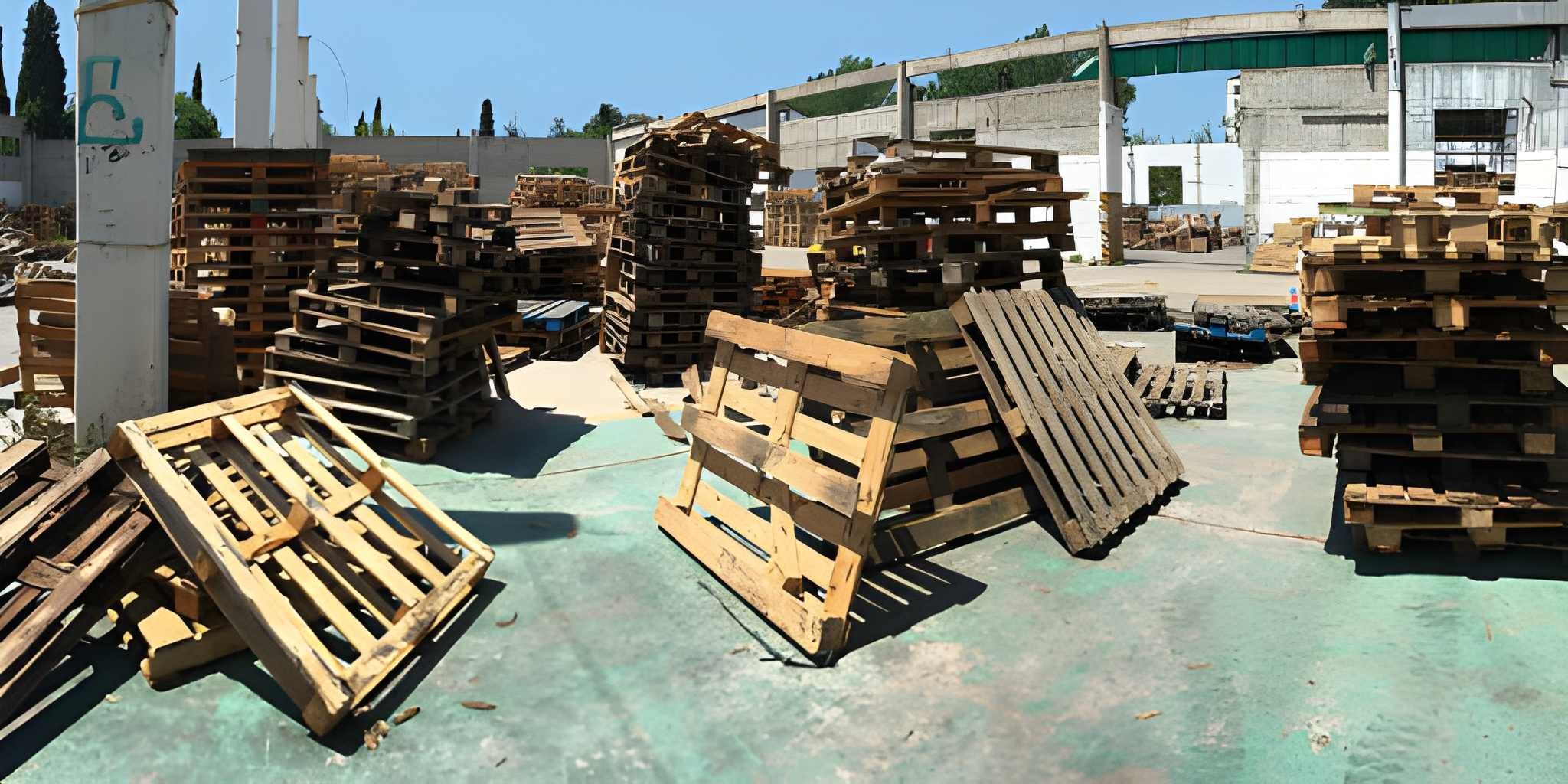

In modern industrial environments, sustainability has become a core operational priority rather than a nice, to, have concept. Businesses across manufacturing, logistics, warehousing, retail, and distribution are recognizing the importance of reducing their environmental impact while improving efficiency. One of the most effective yet often overlooked methods to support eco, friendly operations is using recycled pallets.
Recycled pallets provide a balance between cost savings, durability, environmental responsibility, and compliance with global logistics standards. They play a central role in moving the industrial sector toward circular, responsible, and resource, efficient supply chains.
This comprehensive article explores how recycled pallets support sustainable operations and why more organizations are integrating them into their logistics strategies.
Understanding the Importance of Sustainability in Industrial Supply Chains
Why modern industries are shifting toward eco, friendly operations
Companies are increasingly pressured by regulatory bodies, customers, investors, and global policies to prioritize sustainability. Industrial supply chains generate significant waste, especially from single, use or poorly maintained pallets.
Sustainability initiatives now focus on:
- Reducing environmental footprint
- Conserving raw materials
- Following responsible manufacturing and disposal practices
- Enhancing energy efficiency across supply chains
Environmental challenges associated with traditional pallet usage
Traditional pallet production often relies heavily on new lumber and plastics, resulting in:
- Large, scale deforestation
- Increased greenhouse gas emissions
- High disposal and landfill accumulation
- Inefficient use of natural resources
Industries must address these challenges to minimize environmental impact.
How sustainability impacts operational efficiency and brand reputation
Organizations that implement sustainable packaging and transport materials, such as recycled pallets, benefit from:
- Lower operational costs
- Reduced waste management issues
- Improved public image
- Stronger stakeholder and investor trust
What Are Recycled Pallets?
Definition and how they differ from refurbished/processed pallets
Recycled pallets are made from the usable components of broken or discarded pallets. They are reconstructed to meet specific load, size, and application requirements.
They differ from:
- Refurbished pallets: repaired but mostly intact pallets
- Remanufactured pallets: built from entirely disassembled components
Common materials used
Recycled pallets can be made from:
- Wood , most popular due to repairability and cost efficiency
- Plastic , durable, moisture, resistant, and long, lasting
- Composite/hybrid materials , used in specialized industrial applications
Quality, durability, and lifecycle expectations
With proper grading, recycled pallets match the strength and functionality of new pallets. Many undergo strict testing and can withstand multiple cycles of use.
Environmental Advantages of Using Recycled Pallets
Reduction of landfill waste and deforestation
Recycled pallets significantly help reduce the pressure on forests by reusing material that would otherwise be discarded. Extending pallet life reduces the need for continuous timber harvesting.
Lower carbon footprint across logistics and warehousing
Using recycled pallets contributes to substantial carbon savings because:
- They require less energy to produce
- They reduce the reliance on entirely new materials
- They support eco, efficient logistics loops
Minimizing energy consumption in pallet production
Manufacturing new pallets consumes more energy compared to refurbishing or rebuilding existing ones. Recycled pallet programs lower:
- Manufacturing emissions
- Fuel consumption
- Processing energy
Contribution to circular economy models
Recycled pallets extend material life and prevent premature disposal. This supports circularity, where resources stay in use as long as possible.
Economic and Operational Benefits for Industries
Cost savings on pallet procurement and repairs
Recycled pallets typically cost 20, 35% less than new pallets. Bulk purchasing or consistent recovery programs push costs even lower. Repairing them is also inexpensive.
Improved inventory and supply chain efficiency
Recycled pallets are available in standardized sizes and grades, ensuring smooth integration into:
- Warehousing systems
- Transport processes
- Automated machinery
Increased load stability and transport reliability
Despite being cost, effective, recycled pallets provide strong load, bearing capacities and meet industrial handling safety requirements.
Extended product lifecycle through refurbishment loops
A recycled pallet can undergo:
- Multiple repair cycles
- Component replacements
- Structural reinforcements
- Grading adjustments
This substantially extends its usability.
Recycled Pallets and Corporate Social Responsibility (CSR)
Meeting corporate sustainability goals
CSR mandates revolve around reducing waste, improving environmental stewardship, and adopting ethical supply chain practices. Recycled pallets align perfectly with these objectives.
Strengthening brand trust
Using recycled materials allows companies to:
- Showcase responsible sourcing
- Highlight sustainability in public reporting
- Appeal to environmentally focused consumers
Demonstrating compliance with ESG frameworks
Environmental, Social, and Governance (ESG) evaluations place importance on resource consumption and waste management. Recycled pallets positively contribute to these metrics.
Compliance, Standards, and Safety Requirements
ISPM, 15 compliance and export considerations
Wood pallets used for international shipping must comply with ISPM, 15 heat, treatment standards, which recycled pallets can easily meet when properly processed and certified.
OSHA and workplace safety standards
Recycled pallets must adhere to OSHA guidelines for:
- Worker safety
- Load, handling
- Proper stacking and storage
Quality control processes
Many recycled pallet suppliers use:
- Automated inspection systems
- Load and durability testing
- Structural grading metrics
Tracking and documentation
Industrial clients require traceability for sustainability reporting. Recycled pallets can be documented and tracked through:
- Vendor certifications
- Procurement logs
- Lifecycle reporting systems
How Recycled Pallets Contribute to the Circular Economy
Pallet return, repair, and reuse loops
Circular pallet programs include:
- Collection
- Inspection
- Repair
- Redistribution
This reduces waste dramatically.
Material recovery and waste, to, value processes
Pallets beyond repair become:
- Mulch
- Biomass fuel
- Wood chips
- Upcycled products
Collaboration opportunities with recycling partners
Businesses can establish ongoing partnerships with recycling depots or pallet management companies to maintain closed, loop systems.
Long, term environmental and economic impact
Circular pallet programs minimize reliance on raw materials and drastically reduce operational costs.
Best Practices for Businesses Adopting Recycled Pallets
Choosing the right pallet supplier
A strong recycled pallet supplier should offer:
- Consistent quality
- Certification and compliance
- Multiple pallet grades
- Timely delivery
Evaluating pallet grading and quality levels
Grades such as A, B, or C (for wood pallets) help customers choose the right pallet for their load requirements.
Implementing a pallet recovery or buy, back system
A buy, back or retrieval program ensures that pallets return to the recycler for refurbishment instead of being discarded.
Training teams on handling and storage
Proper handling reduces pallet damage and improves lifespan.
Industry Examples of Successful Adoption
Manufacturing and heavy industries
Large, scale production facilities reduce costs significantly through recycled pallet programs, especially for frequent shipments.
Retail, food, and FMCG distribution
Standardized recycled pallets efficiently support:
- Rapid inventory turnover
- High, volume transactions
- Automated warehouse systems
Construction and packaging sectors
Industries requiring heavy, duty materials benefit from durable recycled pallet options tailored for rough environments.
Case studies
Organizations adopting recycled pallets report:
- 30, 40% cost reductions
- Lower damage rates
- Improved sustainability profiles
Conclusion
Recycled pallets are a powerful tool for industrial businesses striving for sustainability, cost efficiency, and operational responsibility. Their impact spans environmental benefits, financial savings, CSR enhancements, and improved compliance with global standards. By incorporating recycled pallets into supply chains, companies strengthen their sustainability commitments while optimizing logistics performance.
As industries shift toward circular operations and greener manufacturing processes, recycled pallets will continue to play a pivotal role in shaping the future of responsible industrial operations.
Frequently Asked Questions (FAQ)
1. Are recycled pallets as strong as new pallets?
Yes. High, quality recycled pallets match the strength and functionality of new pallets when properly inspected and graded.
2. How much can businesses save by using recycled pallets?
Typically, 20, 35%, with additional savings from ongoing repair and recovery programs.
3. Do recycled pallets meet export standards?
Yes, if they comply with ISPM, 15 heat treatment requirements.
4. How many times can a recycled pallet be reused?
Depending on usage conditions, a recycled pallet can go through multiple cycles of repairs and reuse.
5. How do recycled pallets help with ESG reporting?
They reduce waste, lower carbon output, and demonstrate responsible resource usage, all essential ESG metrics.