




Sustainability is no longer a secondary consideration for industrial operations—it is a core business requirement. Manufacturers, logistics providers, warehouses, and distributors are under increasing pressure to reduce environmental impact, comply with ESG standards, and build resilient supply chains without compromising efficiency or cost control.
One often overlooked but highly impactful area of improvement lies in pallet sourcing and management. Recycled pallets have emerged as a practical, scalable, and cost-effective solution that supports sustainable and responsible industrial operations while meeting performance and regulatory requirements.
This article explores how recycled pallets contribute to environmental stewardship, operational efficiency, compliance, and long-term business sustainability across industrial supply chains.
Understanding Recycled Pallets in Industrial Supply Chains
What Are Recycled Pallets and How Are They Made?
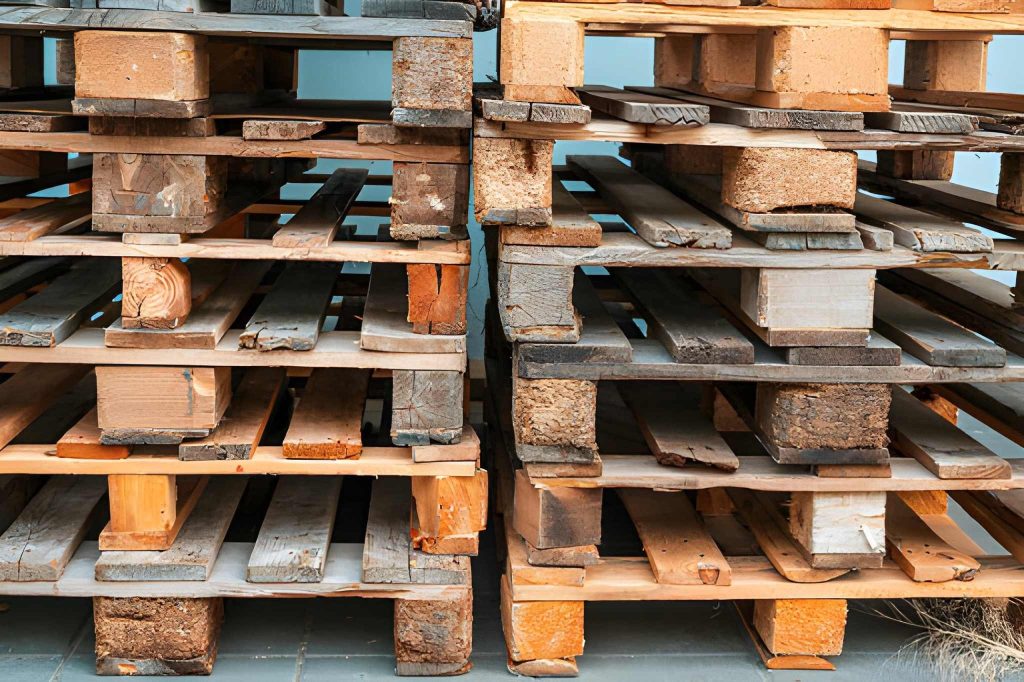
Recycled pallets are pallets that have been recovered after initial use, inspected, repaired if necessary, and reintroduced into the supply chain. Instead of being discarded into landfills, used pallets are collected through pallet recycling programs and evaluated for structural integrity.
The recycling process typically includes:
- Sorting pallets by size, condition, and type
- Replacing damaged boards or stringers
- Reinforcing nail joints and load-bearing components
- Heat treatment (when required for export compliance)
Unlike single-use pallets, recycled pallets are designed to extend the lifecycle of wood materials, making them a key component of circular supply chain models.
Types of Recycled Pallets Used in Industry
Industrial operations use several types of recycled pallets depending on application needs:
- Recycled wooden pallets for general warehousing and logistics
- Repaired stringer pallets for lightweight to medium loads
- Reconditioned block pallets for heavier industrial applications
- Heat-treated recycled pallets for international shipping and export
Each type is graded based on load capacity, durability, and intended use, ensuring suitability for industrial environments.
Industries That Commonly Use Recycled Pallets
Recycled pallets are widely adopted across:
- Manufacturing and production facilities
- Warehousing and distribution centers
- Logistics and transportation providers
- Retail and FMCG supply chains
- Automotive, construction, and industrial goods sectors
Their versatility makes them a reliable option for both closed-loop and open-loop supply chains.
Environmental Benefits of Using Recycled Pallets
Reducing Landfill Waste and Material Consumption
One of the most significant environmental advantages of recycled pallets is waste reduction. Pallet Up initiatives help address this issue by extending the usable life of pallets that would otherwise be discarded. Millions of pallets are thrown away annually, contributing to landfill overflow and unnecessary resource loss.
Recycled pallets:
- Divert usable wood from landfills
- Extend the usable life of timber
- Reduce industrial waste disposal requirements
By reusing and repairing pallets, businesses actively support waste minimization and responsible material management.
Lowering Carbon Footprint in Industrial Operations
Producing new pallets requires logging, milling, drying, and transportation—all of which contribute to greenhouse gas emissions. Recycled pallets significantly reduce this impact by eliminating the need for virgin wood processing.
Environmental benefits include:
- Lower energy consumption compared to new pallet manufacturing
- Reduced emissions from logging and raw material transport
- Smaller overall carbon footprint per pallet lifecycle
For companies tracking carbon metrics and sustainability KPIs, recycled pallets offer measurable emissions reductions.
Supporting Sustainable Forestry and Resource Conservation
Using recycled pallets reduces demand for newly harvested timber, helping:
- Alleviate pressure on forests
- Promote responsible resource use
- Align supply chains with sustainable forestry principles
This makes recycled pallets a tangible way to demonstrate environmental stewardship without disrupting operations.
Economic Advantages for Industrial and Logistics Operations
Cost Savings Compared to New Pallets
From a financial standpoint, recycled pallets offer clear advantages. They are generally more affordable than new pallets, making them ideal for high-volume industrial use.
Key cost benefits include:
- Lower upfront procurement costs
- Reduced capital tied up in pallet assets
- More predictable budgeting for logistics operations
For industries with high pallet turnover, these savings can be substantial.
Improved ROI in High-Volume Supply Chains
Recycled pallets perform particularly well in closed-loop or controlled distribution systems, where pallets are regularly returned, reused, and maintained.
This leads to:
- Higher return on investment per pallet
- Lower pallet loss and replacement costs
- Improved asset utilization
Businesses handling large shipment volumes benefit from both operational efficiency and cost control.
Long-Term Financial Benefits of Pallet Recycling Programs
Many pallet suppliers offer buy-back and recycling programs, allowing businesses to recover value from damaged or excess pallets instead of paying disposal fees.
Additional long-term savings include:
- Reduced waste handling and landfill charges
- Lower compliance costs for sustainability mandates
- Streamlined pallet inventory management
Recycled Pallets and ESG, CSR, and Regulatory Compliance
Meeting Environmental, Social, and Governance (ESG) Goals
Environmental performance is a core pillar of ESG frameworks. Recycled pallets directly support ESG reporting by demonstrating:
- Responsible material reuse
- Reduced environmental impact
- Commitment to sustainable supply chain practices
These factors contribute positively to ESG ratings and stakeholder confidence.
Supporting Corporate Sustainability and CSR Initiatives
Corporate Social Responsibility (CSR) strategies increasingly require measurable sustainability actions, not just commitments.
Using recycled pallets helps companies:
- Show tangible environmental improvements
- Align procurement with sustainability goals
- Strengthen brand reputation and trust
For B2B organizations, this can be a competitive differentiator when working with environmentally conscious clients.
Compliance With Export and Safety Regulations
Recycled pallets can fully comply with industrial and international regulations when properly processed. Many are heat-treated to meet ISPM-15 standards, making them suitable for export.
Compliance benefits include:
- Acceptance in global shipping
- Adherence to workplace safety standards
- Reduced risk of regulatory penalties
Reputable pallet recyclers ensure all compliance requirements are met.
Operational Performance, Quality, and Safety
Strength, Load Capacity, and Durability
A common misconception is that recycled pallets are weaker than new ones. In reality, high-quality recycled pallets are graded and reinforced to meet specific load requirements.
Benefits include:
- Reliable load-bearing performance
- Suitability for heavy industrial goods
- Consistent strength across pallet fleets
Proper grading ensures pallets are matched to the right applications.
Quality Control and Inspection Processes
Professional pallet recyclers follow strict quality control procedures, including:
- Inspection for cracks, rot, or structural weakness
- Replacement of damaged boards
- Reinforcement of fasteners and joints
This ensures recycled pallets perform safely in demanding industrial environments.
Workplace Safety and Handling Efficiency
Well-maintained recycled pallets improve safety by:
- Reducing pallet breakage risks
- Improving forklift and automation compatibility
- Minimizing workplace injuries caused by pallet failure
Safe pallets contribute to smoother operations and reduced downtime.
Role of Recycled Pallets in the Circular Economy
Closed-Loop Pallet Systems Explained
In closed-loop systems, pallets circulate between manufacturers, warehouses, and distributors before being returned for reuse or repair.
Recycled pallets are ideal for:
- Pallet pooling programs
- Controlled industrial supply chains
- Asset tracking and accountability systems
These models reduce waste and maximize resource efficiency.
Repair, Reuse, and End-of-Life Recycling
Recycled pallets go through multiple lifecycle stages:
- Initial use
- Repair and reuse
- Refurbishment or component recovery
- Final material recycling
This approach supports near zero-waste pallet strategies.
Partnering With Local Pallet Recyclers
Working with local pallet recyclers offers additional sustainability benefits:
- Reduced transportation emissions
- Faster turnaround times
- Support for local green economies
Local partnerships also improve supply reliability.
Choosing the Right Recycled Pallet Supplier
What to Look for in a Sustainable Pallet Partner
Key criteria include:
- Compliance certifications and heat-treatment capabilities
- Consistent quality and grading standards
- Transparent recycling and sourcing practices
A reliable supplier is essential for operational continuity.
Customization Options for Industrial Needs
Many suppliers offer customized recycled pallets, including:
- Specific dimensions and designs
- Load-capacity adjustments
- Industry-specific compliance features
Customization ensures operational compatibility.
Evaluating Reliability and Scalability
Industrial operations require suppliers who can:
- Handle large and fluctuating volumes
- Support peak demand periods
- Provide long-term partnership value
Scalability is critical for growing businesses.
Conclusion: Why Recycled Pallets Are Essential for Responsible Industrial Operations
Recycled pallets represent a practical intersection of sustainability, cost efficiency, and operational reliability. By reducing waste, lowering carbon emissions, supporting ESG goals, and maintaining industrial performance standards, they offer a clear pathway to responsible supply chain management. To learn how recycled pallets can support your operational and sustainability goals, contact us today to discuss your requirements.
For manufacturers, logistics providers, and distributors, adopting recycled pallets is not just an environmental decision—it is a strategic investment in resilience, compliance, and long-term value. As sustainability expectations continue to rise, recycled pallets will remain a cornerstone of responsible industrial operations.
Frequently Asked Questions (FAQs)
Are recycled pallets strong enough for industrial use?
Yes. Properly graded and repaired recycled pallets meet industrial load and safety requirements.
How do recycled pallets support sustainability goals?
They reduce landfill waste, lower carbon emissions, and promote circular resource use.
Are recycled pallets compliant with export regulations?
Yes, when heat-treated to ISPM-15 standards.
Are recycled pallets more cost-effective than new pallets?
In most cases, recycled pallets offer significant cost savings.
Can recycled pallets be customized for specific industries?
Yes, including size, load capacity, and compliance needs.